Winterizing Your Mobile Outdoor Tents Home
Living in a mobile outdoor tents home deals freedom, simplicity, and a nearness to nature that typical housing seldom matches. However when temperature levels decline and winter clears up in, that exact same openness can quickly become a challenge. Whether you're a permanent outdoor tents resident, a glamping lover, or someone that spends prolonged periods in a canvas framework, preparing your shelter for cold weather is important for convenience, safety, and the longevity of your arrangement. Here's a thorough guide to winterizing your mobile outdoor tents home.
Beginning With the Right Structure
Prior to you even think of insulation or home heating, consider what's below your tent. Cold permeates up from the ground much more aggressively than it comes through the wall surfaces, so a solid foundation method matters significantly.
Raise and Insulate the Flooring
Preferably, position your outdoor tents on an increased system instead of directly on the ground. Timber pallets, a basic deck, or a purpose-built platform develops an air space that reduces warmth loss. Below your outdoor tents flooring, add closed-cell foam insulation boards or thick interlacing foam tiles. Layering a woollen rug or thick carpeting on the top includes one more buffer versus the cold.
Address Moisture Prior To It Ends Up Being a Trouble
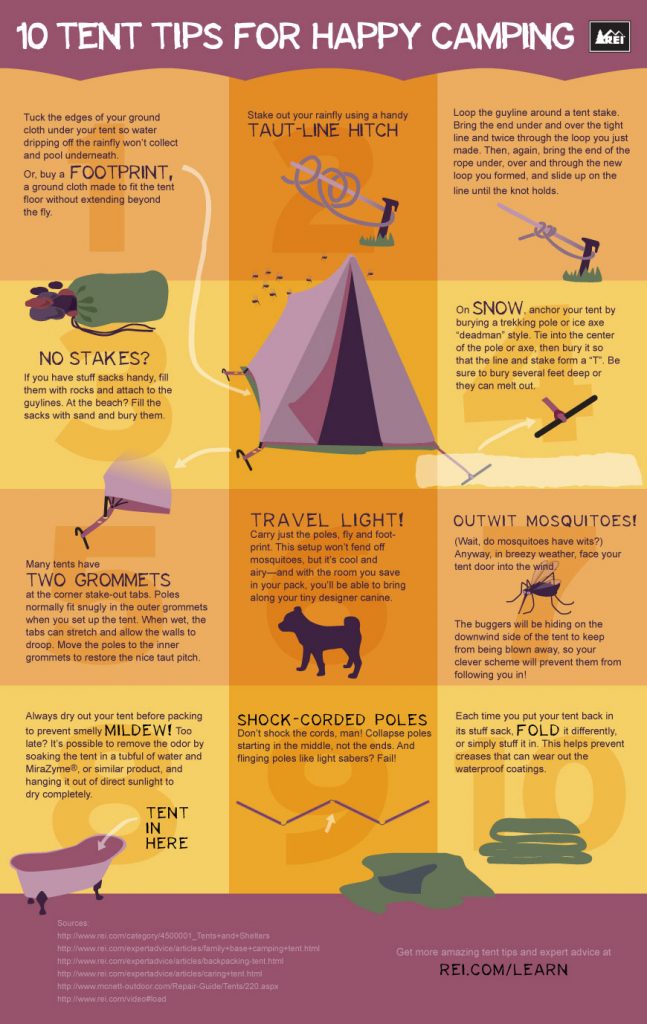
Wintertime often suggests snow, rain, and condensation, every one of which can seep right into your groundsheet. Use a sturdy tarp beneath your tent to stop moisture from wicking up, and make sure your configuration has proper water drainage so melting snow doesn't swimming pool against the camping tent walls.
Strengthen the Framework
Wind and heavy snow tons put much more stress on camping tent frameworks than normal fair-weather conditions. Enhancing your frame and canvas is important.
Upgrade Your Risks and Guy Lines
Swap out common stakes for durable steel variations that can hold firm in frozen or snow-covered ground. Tighten up individual lines on a regular basis, since chilly temperature levels can cause material and rope to agreement or become breakable. Including extra guy-out factors at stress and anxiety zones, especially around the roof covering and door flaps, helps disperse the lots evenly during tornados.
Check for Snow Tons Ability
Not all camping tents are constructed to manage accumulating snow. If hefty snowfall is most likely in your location, take into consideration adding interior assistance poles or a steeper roofing pitch to encourage snow to move off instead of accumulate and create structural stress.
Shield the Walls and Ceiling
A well-insulated camping tent can be the distinction between a comfortable winter months retreat and an intolerable ice box.
Utilize a Lining System
Lots of canvas outdoor tents brands provide protected linings designed specifically for cold-weather use. These linings develop a dead-air space in between the external canvas and the interior, dramatically improving warm retention. If a personalized liner isn't readily tent 4 person available, reflective insulation material or moving blankets can work as an economical choice.
Seal Gaps and Seams
Evaluate your tent completely for spaces around home windows, doors, and stovepipe openings. Also little drafts can weaken your home heating initiatives. Usage weatherstripping, draft snakes, or hefty textile flaps to secure these weak spots.
Pick the Right Home Heating Remedy
Home heating is commonly the focal point of winterizing a tent home, and safety should always precede.
Timber Stoves and Ventilation
A wood-burning oven is a preferred selection for canvas tents, much of which come pre-fitted with a stovepipe opening. Ensure your stovepipe has a correct spark arrestor and that the bordering textile is treated with fireproof product. Correct ventilation is non-negotiable, both for burning efficiency and to avoid carbon monoxide gas buildup.
Alternate Home Heating Alternatives
Propane heating units made for enclosed spaces, together with battery-powered electrical heating systems, can supplement or replace a wood stove relying on your accessibility to gas and power. Constantly select heaters rated risk-free for camping tent or indoor usage, and never leave any type of warmth source ignored.
Take Care Of Condensation and Air Flow
Paradoxically, one of the biggest winter season challenges isn't just staying warm, it's taking care of the wetness that warmth develops. As warmed air meets cold canvas walls, condensation can form, causing wetness and mold and mildew.
Balance Air flow
Crack a home window or air vent slightly, even in cold weather, to permit wet air to escape. Roof vents or a small space near the peak of the tent help hot, humid air rise and exit rather than condensing on the ceiling.
Get ready for Emergencies
Winter weather is unforeseeable, so having a prepare for severe conditions matters. Maintain added blankets, a backup warmth source, and emergency situation supplies accessible. Know your outdoor tents's limitations, and have a plan for moving to more solid shelter if a storm ends up being severe.
Last Ideas
Winterizing a portable camping tent home takes preparation, yet the payback is a cozy, dry, and resilient shelter also in extreme conditions. By focusing on insulation, architectural support, risk-free heating, and moisture control, you can expand your tent-living period conveniently through the chilliest months of the year.